The forgotten luxury of pyrenean spa towns
How the hot springs of the Pyrenees became one of Europe’s earliest luxury wellness destinations
Long before the words wellness retreat or luxury spa experience existed, the Pyrenees were already a destination for travelers seeking health, elegance and rejuvenation.
Hidden in valleys between granite peaks and alpine forests, a network of thermal spa towns developed over centuries — places where aristocrats, writers, artists and travelers would come to “take the waters”, rest, socialize and enjoy the unique landscapes of the mountain range.
Today, when travelers explore the Pyrenees through curated experiences, cultural journeys or luxury stays designed by specialists such as Pyreneance, they often discover that this tradition of mountain wellness and refined travel has very deep historical roots.
The story begins more than two thousand years ago.
When the Romans discovered the hot springs of the Pyrenees
The thermal history of the Pyrenees dates back to Roman antiquity, when the first organized baths were built around natural hot springs emerging from the mountains.
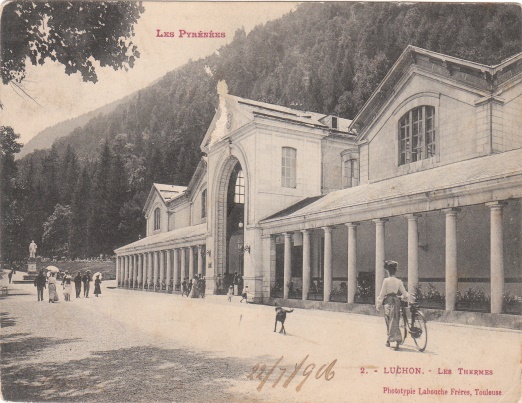
One of the most famous examples is Bagnères-de-Luchon, often called the “Queen of the Pyrenees”. The town’s thermal waters have been known and used for nearly 2,000 years, particularly for their sulphur-rich composition and therapeutic benefits.
According to historical accounts, Roman engineers developed the first pools and bathing facilities after discovering the healing properties of the springs. In fact, chronicles mention that Roman baths existed here as early as the 1st century BC, with sophisticated pools and steam rooms carved into the rock.
Across the Pyrenees, similar thermal sources were identified and developed. The mountain chain contains numerous mineral springs, many of them sulphurous and located high in the valleys where granite rock formations allow heated water to rise to the surface.
These early spa settlements established a tradition that would later shape the entire culture of Pyrenean mountain travel.
The golden age of Pyrenean spa towns
While the Romans discovered the springs, the true golden age of Pyrenean thermal tourism arrived in the 18th and 19th centuries.
During this period, spa towns such as:
became fashionable destinations for Europe’s elite.
Traveling to the mountains for a “thermal cure” was not simply about health. It was also a social ritual.
Aristocrats, artists and writers gathered in elegant spa towns surrounded by dramatic mountain scenery. Historical visitors to Luchon included personalities such as Empress Eugénie, Alexandre Dumas and Gustave Flaubert, whose presence contributed to the town’s reputation as a fashionable retreat.
Grand promenades, casinos, opera houses and Belle-Époque villas were built to host these travelers, transforming the Pyrenean valleys into some of the most refined mountain destinations in Europe.
The arrival of the railway in the late 19th century further boosted this popularity, allowing visitors from Paris, Madrid or Bordeaux to reach the Pyrenees more easily.
What had once been remote mountain valleys gradually became cosmopolitan spa resorts.
Why the Pyrenean waters were considered exceptional
The reputation of Pyrenean spa towns was not only based on architecture or social life.
The waters themselves were remarkable.
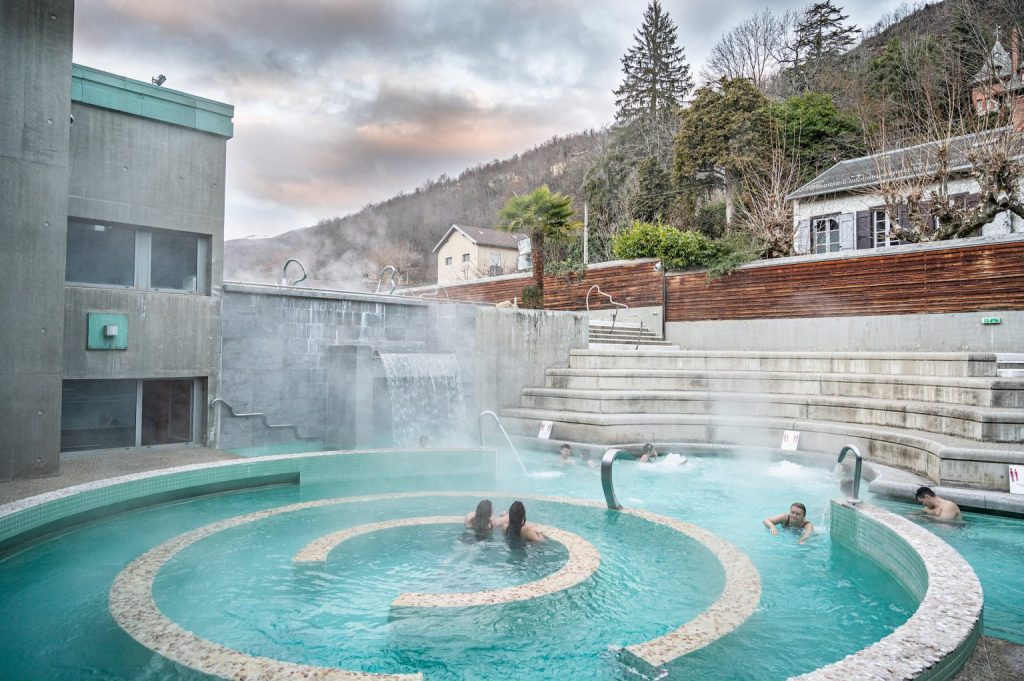
Many Pyrenean thermal springs contain high concentrations of sulphur and minerals, making them particularly beneficial for respiratory conditions, rheumatology and skin diseases.
Some spa towns built their entire reputation around these natural properties.
In Bagnères-de-Luchon, for example, the waters are considered among the most sulphurous in the Pyrenees, emerging from deep geological layers heated by the mountain’s internal structure.
Travelers would often stay for 21-day thermal cures, a tradition dating back to Roman times and still practiced in many spa resorts today.
But beyond the medical benefits, visitors were also drawn to the environment itself: pure mountain air, dramatic landscapes and the peaceful rhythm of life in the Pyrenean valleys.
In other words, the Pyrenees were offering something that modern travelers now call slow luxury long before the concept existed.
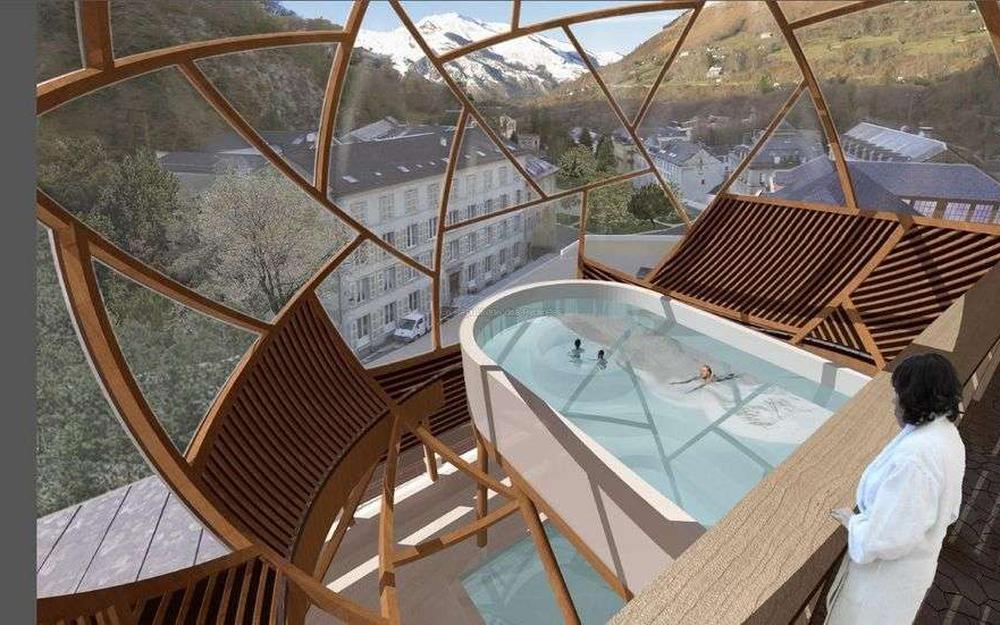
The mountains that once hosted aristocratic spa guests now welcome travelers seeking authentic yet refined experiences.
The Pyrenees: Europe’s forgotten wellness destination
For centuries, the Pyrenees were one of Europe’s most elegant destinations for rest and rejuvenation.
Then, gradually, other wellness destinations captured the spotlight.
But the ingredients that made these mountains famous never disappeared:
- mineral hot springs
- dramatic landscapes
- peaceful valleys
- centuries of cultural heritage
- and a long tradition of hospitality.
Today, for travelers seeking luxury mountain journeys, cultural immersion and natural wellness, the Pyrenees are once again revealing their potential.
And perhaps that is the real secret of the Pyrenean spa towns.
They were never simply places to bathe.
They were — and still are — places where nature, culture and the art of living meet in the mountains.
Photo credits: Occitanie thermale / La république des Pyrénées / Thermes de Luchon